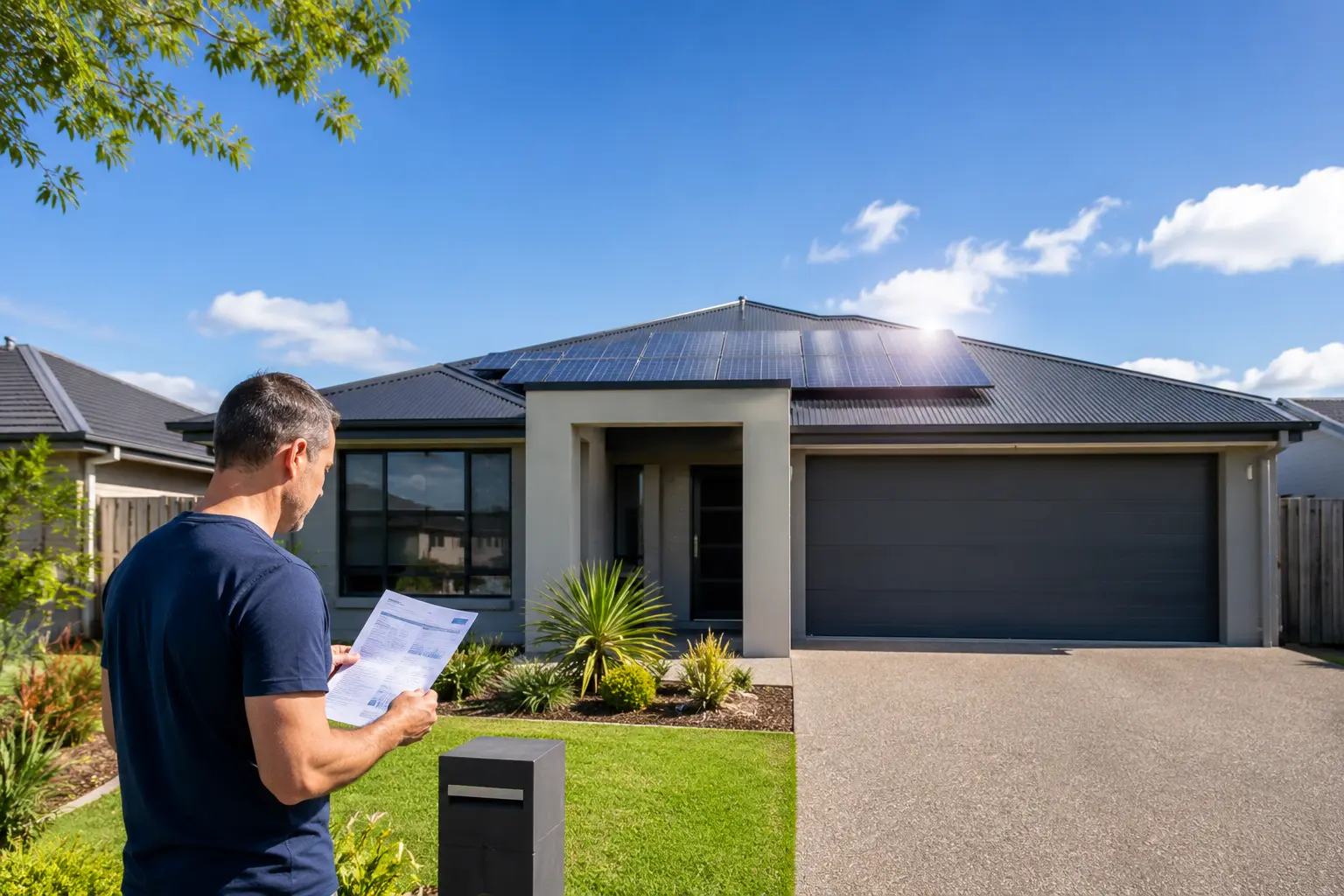
Your electricity bill probably looks different every quarter, and a big reason for that is your tariff structure. If you’re on a time of use tariff, the time of day you run your appliances affects how much you pay.
Fortunately, Solar offsets that by generating power during the day so you buy less from the grid. And that’s exactly what we focus on at My Solar Power Brisbane. We help homeowners across South East Queensland match their solar system to the right tariff.
In this guide, we’ll break down how time of use tariffs, demand charges, and controlled load tariffs work. You’ll also see how Brisbane households are saving $1,200 or more a year by pairing solar with the right electricity plan.
What Is a Time of Use Tariff (and How Does It Affect Your Electricity Bill)?
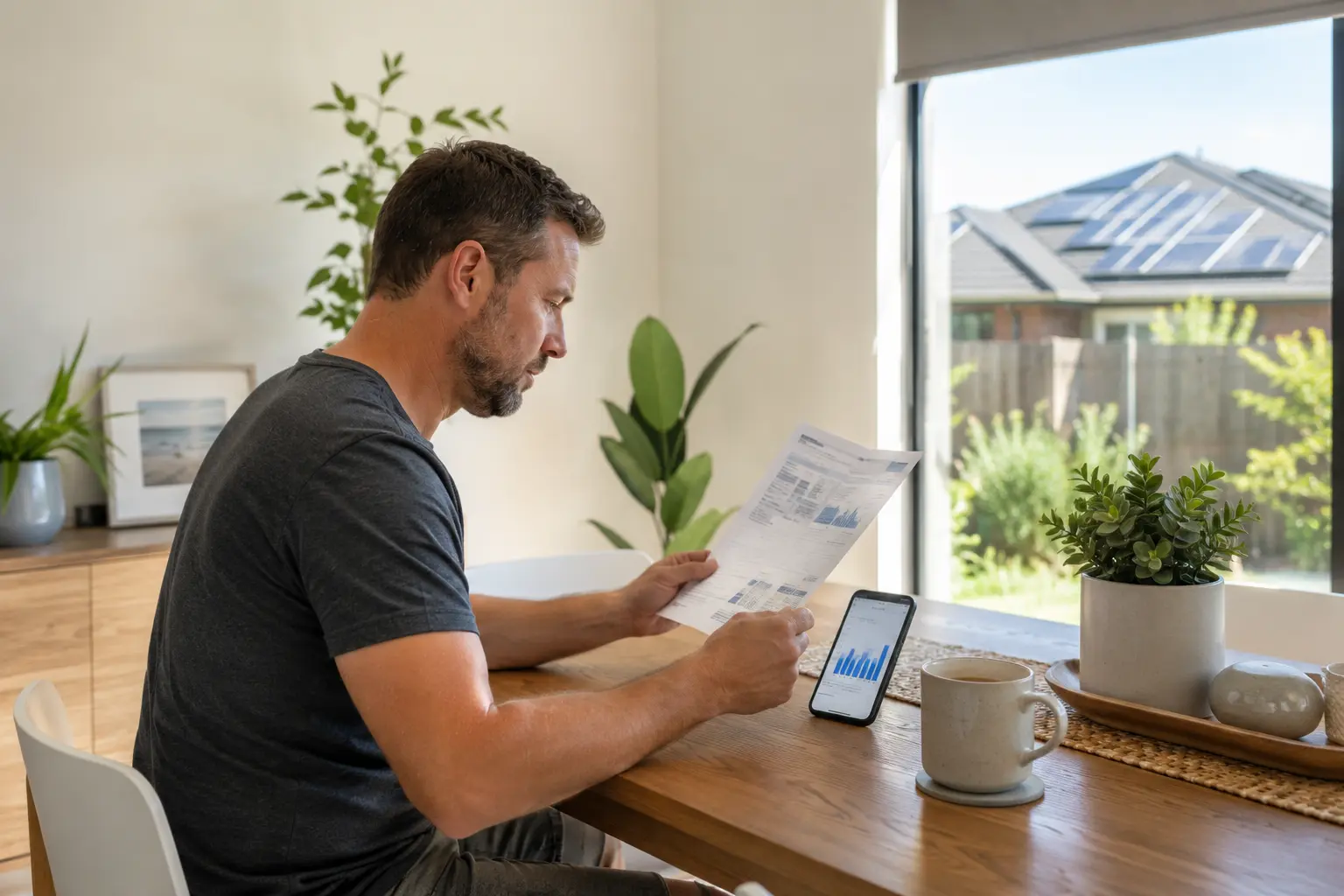
As we mentioned earlier, a time of use tariff charges you different electricity rates depending on the time of day. Peak periods cost the most, shoulder periods sit in the middle, and off-peak hours are the cheapest. You just have to know when your electricity costs the most and plan around it.
Here’s how time of use compares to flat rate pricing in South East Queensland.
Time of Use vs Flat-Rate Electricity Tariffs: What’s the Difference?
| Tariff Type | How It Works | Best For |
| Flat Rate | One fixed rate per kilowatt hour, no matter when you use power | Households with steady energy use throughout the day |
| Time of Use | Different rates for peak, shoulder, and off-peak periods | Solar homes that use most power during off-peak times |
On a flat rate tariff, you pay the same usage charges whether you run your dryer at 2 pm or 9 pm. A time of use tariff works differently because it rewards you for shifting energy use to cheaper windows (peak rates can run double or triple what you’d pay off peak).
For Brisbane solar homes, that means your panels generate free electricity during shoulder hours when rates are already lower. You can check how time of use electricity tariffs in Queensland apply to your area through Energex.
Time of use isn’t the only tariff structure on your electricity bill, though.
What Are Controlled Load Tariffs and Economy Tariffs?
Controlled load tariffs are secondary tariffs that apply to specific appliances like hot water systems and pool pumps.
Your electricity retailer decides when power flows to those appliances, usually during off-peak periods. The trade-off is a rate around 40–50% cheaper per kilowatt hour than your primary tariff.
Economy tariffs follow the same idea, but your retailer controls the exact supply window for even lower electricity charges. If you have a smart meter, you can check which tariff each appliance sits on and whether solar could cover that load during the day.
Now, let’s look at another tariff type that catches a lot of Brisbane homeowners off guard.
How Demand Tariffs and Demand Charges Affect Your Solar
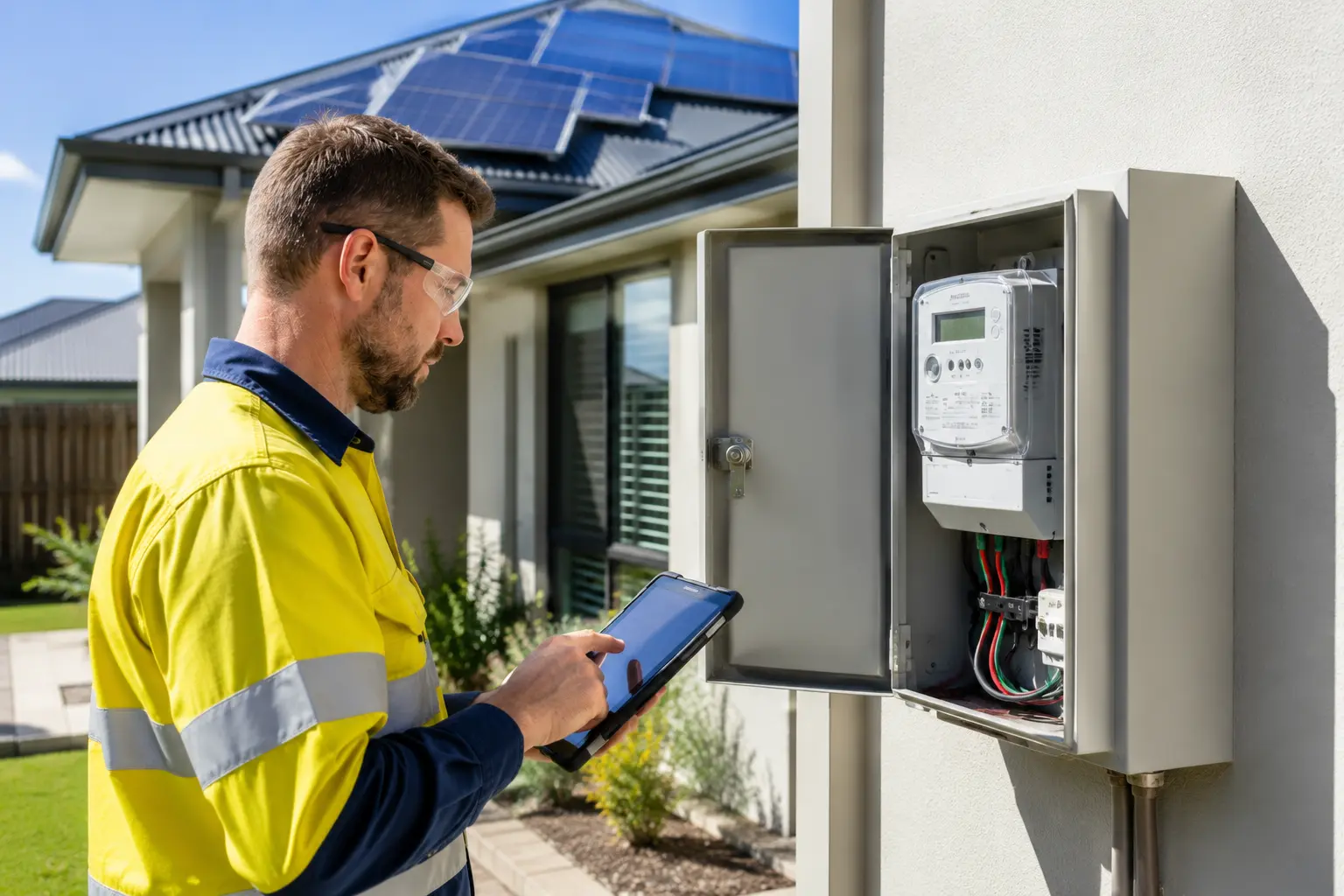
Demand tariffs don’t charge you based on total electricity usage. Instead, they measure your highest energy use in a single half-hour block during peak hours (and that one spike sets your demand charge for the entire billing period). One hot Friday evening with the air con, oven, and dryer all running at once is all it takes.
A solar system with battery storage covers those high-draw periods, so you’re not pulling everything from the grid. That’s how demand tariffs catch people off guard, and it’s why more Brisbane homeowners are adding batteries to their setup.
Two other pricing structures also affect what you pay.
What Is the Default Market Offer From Electricity Retailers?
Most Brisbane households pay less than the default market offer, but not everyone realises it. The Australian Energy Regulator’s Default Market Offer caps what electricity retailers can charge residential customers and small business customers. From what we’ve seen in South East Queensland, most competitive market contracts sit 5–15% below that cap.
You can compare electricity plans for your area using the Energy Made Easy electricity plan comparison tool from the Australian Government. It’s worth checking at least once a year, especially after a tariff change.
Why Energy Tariffs Keep Changing in Queensland
Energy tariffs shift every financial year, and a few factors drive those changes:
- Network Costs: The Australian Energy Regulator adjusts these based on infrastructure spending across regional Queensland and the broader grid.
- Wholesale Prices: When fossil fuel and renewable sources push wholesale electricity prices up or down, your supply charge and metering charges follow.
- Solar Uptake: More rooftop solar across the network means less electricity demand during the day, which pushes retailers to restructure peak times and off-peak pricing.
We’ve watched these tariff changes play out year after year, and solar households in Brisbane consistently come out ahead on their power bills.
Once you understand how these energy tariffs work, the next question is straightforward: how much can solar save you?
Real Solar Savings Brisbane Homeowners Can Expect on Energy Bills

Across the Brisbane installs we’ve worked on, a 6.6kW system typically knocks $1,200 to $1,800 off yearly energy bills. The exact amount, however, depends on your tariff type, how much electricity your household consumes during peak periods, and your feed-in tariff rate.
Plus, adding a battery lets you store daytime solar for peak evening energy use instead of paying grid prices. Let’s break down where those savings come from.
Solar Power Benefits That Lower Your Electricity Charges
Your panels produce electricity during the day, which directly cuts what you buy from your retailer. A few other solar power benefits lower your costs on top of that:
- Feed-in Tariff Credits: Your electricity retailer pays you for excess solar energy exported to the grid. Rates across South East Queensland currently sit around 5–12c per kilowatt hour.
- Lower Usage Charges: The less power you pull from the grid, the fewer usage charges appear on your electricity bill. A smart meter tracks exactly how much electricity your home generates versus what it consumes.
- Reduced Peak Demand: Solar paired with a battery flattens your peak demand, which lowers demand charges on demand tariffs during peak periods.
Once the feed-in tariff credits, lower usage charges, and reduced peak demand work together, most households see a noticeable drop within their first full billing cycle (not a fortune overnight, but it beats handing your money to the grid every quarter).
Now that you know what solar saves you, here’s what it costs upfront.
How Solar Energy Costs Compare to Rising Tariffs
A fully installed 6.6kW system in Brisbane runs roughly $4,000 to $7,000 after the federal rebate, depending on the installer and panel quality. The Clean Energy Council consumer guide to solar is worth a look if you want to compare accredited options.
Electricity tariffs across South East Queensland dropped around 7–10% from July 2026, which is great news for households. But tariff rates shift every financial year, and supply charges can still move in the other direction. That’s exactly why solar remains a strong long-term play.
If you’re weighing up installing solar, our guide on the benefits of solar power for your home breaks down what to expect beyond just your energy bills.
Your Electricity Bill Doesn’t Have to Keep Climbing
You now know how time of use tariffs, demand charges, and feed-in tariffs affect what you pay for electricity. And with the right solar setup paired with a smart meter, you can put that knowledge to work on your energy bills.
You choose when to run your hot water systems, pool pumps, and electric vehicle charger, ideally during off-peak times when rates are lowest.
If you’re ready to cut your electricity costs, My Solar Power Brisbane has the resources to match you with the right system and tariff combination. Head over to our website to explore your options and start saving.