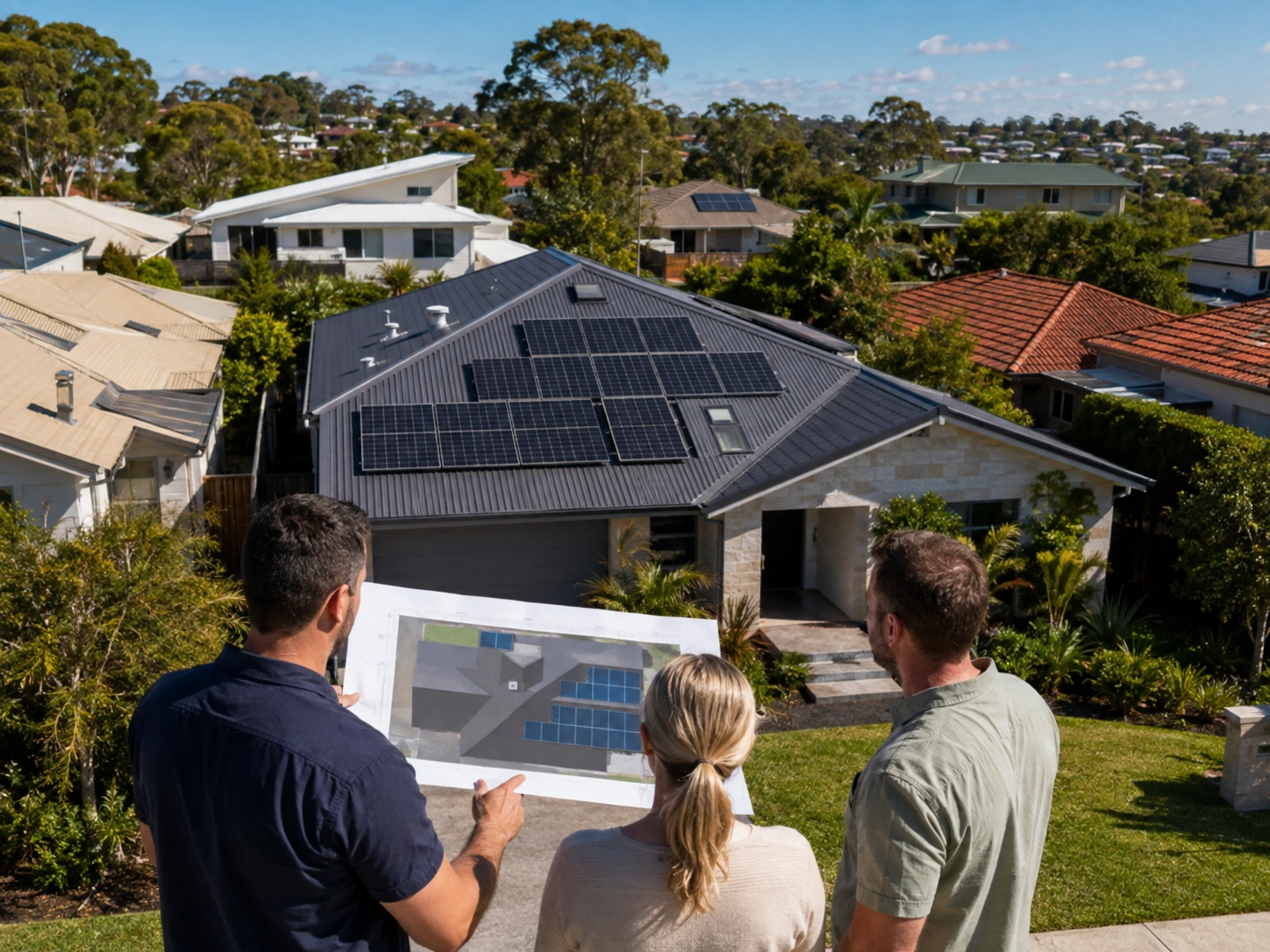
Most Brisbane roofs have enough space for solar panels, but the answer isn’t based on size alone. It’s one of the first things homeowners ask before they even call an installer. And honestly, it’s a fair place to start your solar research.
Your roof’s orientation, structure, and the solar system size you’re after all play a major role in what’s possible. A large roof doesn’t automatically mean room for more solar panels. Obstacles and design requirements can significantly limit the usable area.
In this article, we’ll cover how much space one panel takes up and what affects your rooftop solar layout. We’ll also explain whether your roof is large enough for a system worth installing. So, let’s get into it.
How Much Roof Space Do Solar Panels Need?
Most Queensland homes need between 15m² and 45m² of usable roof space, depending on the solar system size they’re after. That range will narrow once you know your daily electricity use and what system size matches it.
The tricky part is that total roof area and usable roof space aren’t the same. Vents, certain setbacks, and shaded sections all reduce the area available for solar panels.
Here’s a simple breakdown of the numbers:
What One Solar Panel Takes Up on Your Roof
A single solar panel takes up roughly 1.7m², but your usable roof space is always smaller than your total roof area. Edges, gutters, and required setbacks along the roof’s perimeter eat into that number before a single panel goes up.
So for most residential properties in Brisbane, the available roof space sits closer to 20-30m² on the north-facing side. That’s enough for a decent system, but there are still limits.
On top of that, installers can’t just place panels anywhere on the roof. The layout has to work around fixed obstructions like vents and skylights too.
How Many Panels Does Your Solar System Size Need?
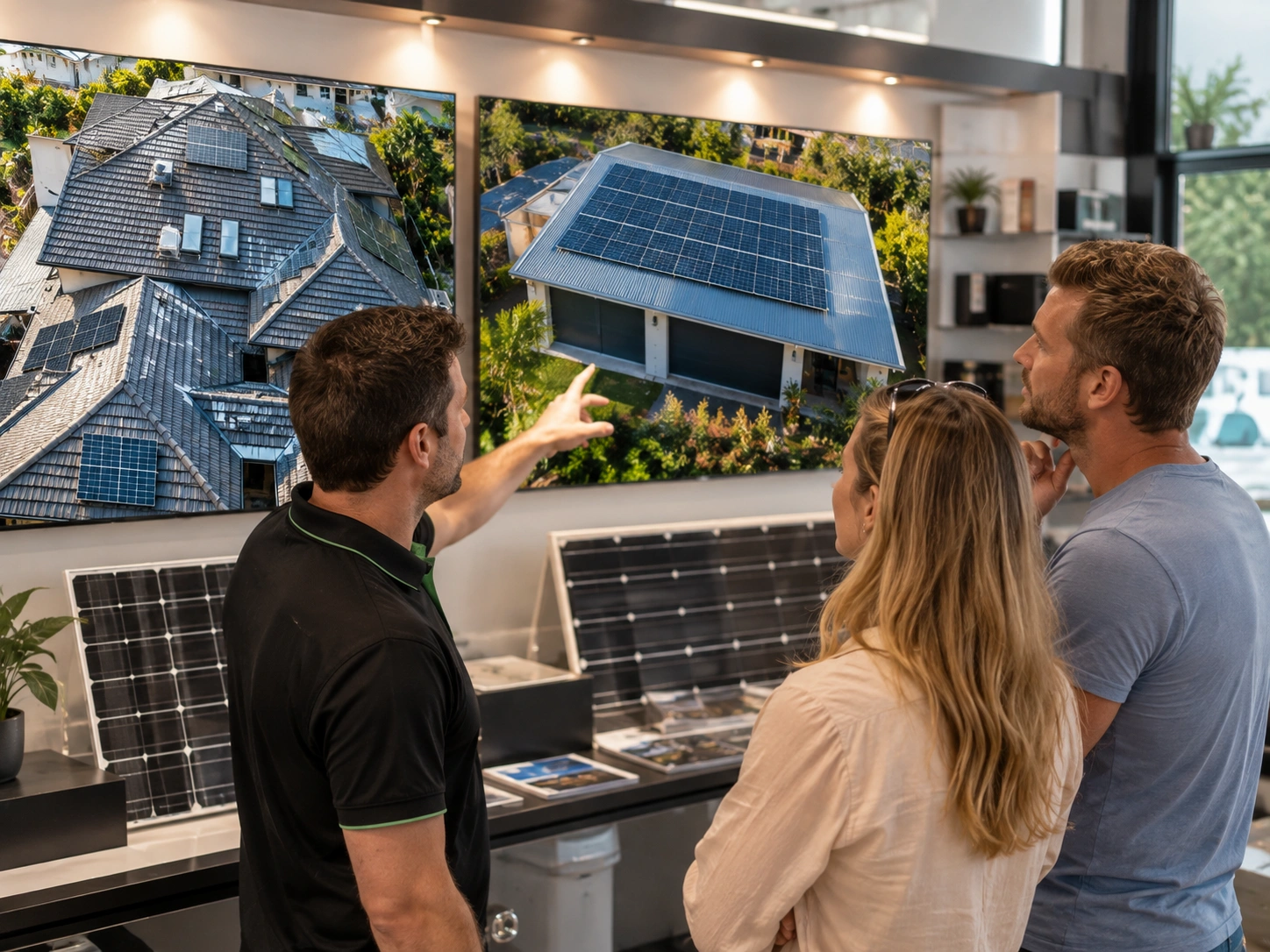
A 6.6kW system needs around 16 panels, while a 3kW system needs roughly 8. Your daily electricity use and rated capacity requirements are what push that number up or down. That’s why there isn’t a one-size-fits-all answer here.
The relationship between system size, panel count, and roof space is pretty consistent across different system sizes. The table below breaks it down clearly so you can see where your roof stands:
| Solar System Size | No. of Panels (approx.) | Roof Space Needed (approx.) |
| 3kW | 8 panels | 14m² |
| 5kW | 13 panels | 22m² |
| 6.6kW | 16 panels | 27m² |
| 10kW | 25 panels | 42m² |
| 13kW | 32 panels | 54m² |
A good inverter sizing check from your installer will confirm whether your suggested system size matches your roof’s available space. Get that right early, and the rest of the planning falls into place.
What Affects Your Rooftop Solar Layout in Brisbane?
Shading, roof orientation, and your roof’s physical outline are the three things that affect your rooftop solar layout. From our experience assessing rooftops, homeowners are usually surprised by the layout rather than the size.
Have a closer look at the things that structure your rooftop solar layout:
Roof Orientation, Tilt, and Shading
The right roof orientation can maximize your annual solar energy output. We’ve seen that north-facing roofs capture the most Queensland sun. That extra solar radiation adds up significantly over a full year.
Ideally, the tilt angle should be within 10 degrees of the site’s latitude, to maximise the amount of energy produced annually. If your roof faces west or east, don’t stress. You’ve still got options, just fewer of them.
Even partial shading from a nearby tree can noticeably reduce how much energy your system generates. A shaded panel drags down the output of those around it. That’s why your installer will map shade patterns before confirming the final layout.
Roof Structure and How Many Panels Fit
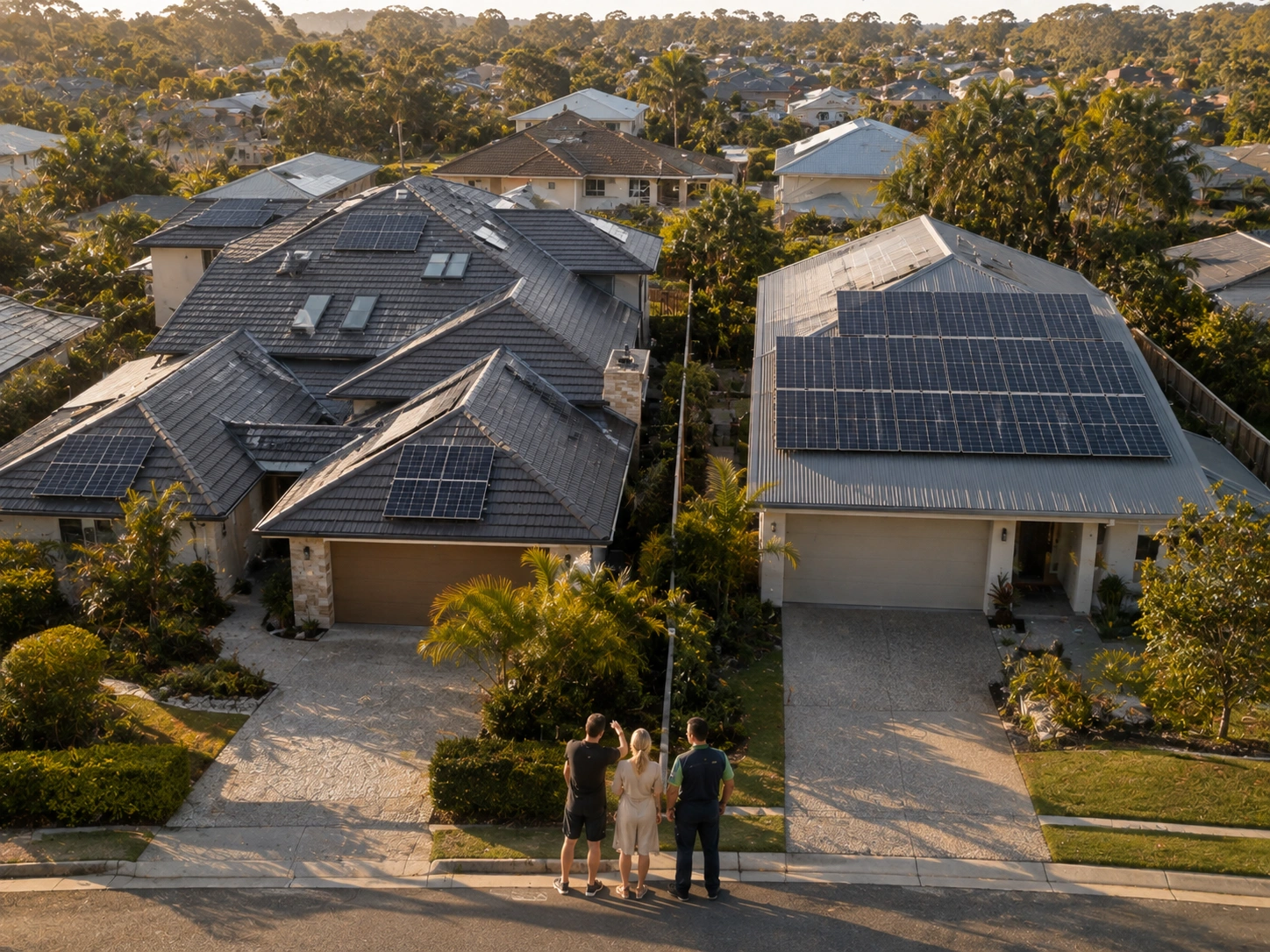
Your roof’s structure has a greater impact on panel capacity than its overall size. For example, a large roof with a complex hip design can fit fewer panels than a smaller, simple gable roof.
Most homeowners are surprised by how much skylights, vents, and chimneys reduce the available roof space. Once an installer maps the system, those features often leave fewer large, uninterrupted areas for solar panels.
For that reason, an experienced installer will assess the roof layout, available installation area, and any obstacles first. That assessment determines how many panels you can install safely and efficiently.
Roof Age, Weight Limits, and Structural Readiness
Your roof’s age and load capacity are just as important as its size when planning a solar installation. Skipping this check is one of the more costly mistakes we see during rooftop solar installs.
In fact, most residential roofs built after 1990 can support a standard solar panel system without structural modifications (a relief for homeowners). Unfortunately, older tile or corrugated iron roofs may need a structural assessment before any rooftop solar installation begins.
In that case, your clean energy regulator-accredited installer will flag it during the site assessment. So, if your roof is nearing the end of its lifespan, replace it before adding solar panels.
Solar Panel Sizing: Is Your Roof Large Enough?
Most local roofs are large enough for a rooftop solar system worth installing. That said, system size, panel choice, and your energy independence goals all outline what’s possible on your specific roof.
Naturally, roof size is only part of the assessment. Local solar installers consider several other factors before recommending the right system:
Small Roof? Here’s How to Get More From Fewer Panels
A smaller roof can still support an effective solar system. The best results come from choosing high-efficiency panels that make the most of the available space. Solar batteries let you store how much electricity your panels generate during the day. So you’re not sending it back to the grid for a lower feed-in tariff return.
For the most part, high-efficiency monocrystalline panels produce more solar energy per m² than standard panels do. We’ve helped plenty of Paddington and Ashgrove homeowners get solid output from roofs smaller than 20m². Eventually, the right panel choice delivered noticeably greater output on those installs.
Your installer can run those numbers before you commit to anything. A smaller rooftop solar system with premium panels can still cut your electricity bill meaningfully.
What Brisbane Solar Installers Assess Before Your Quote
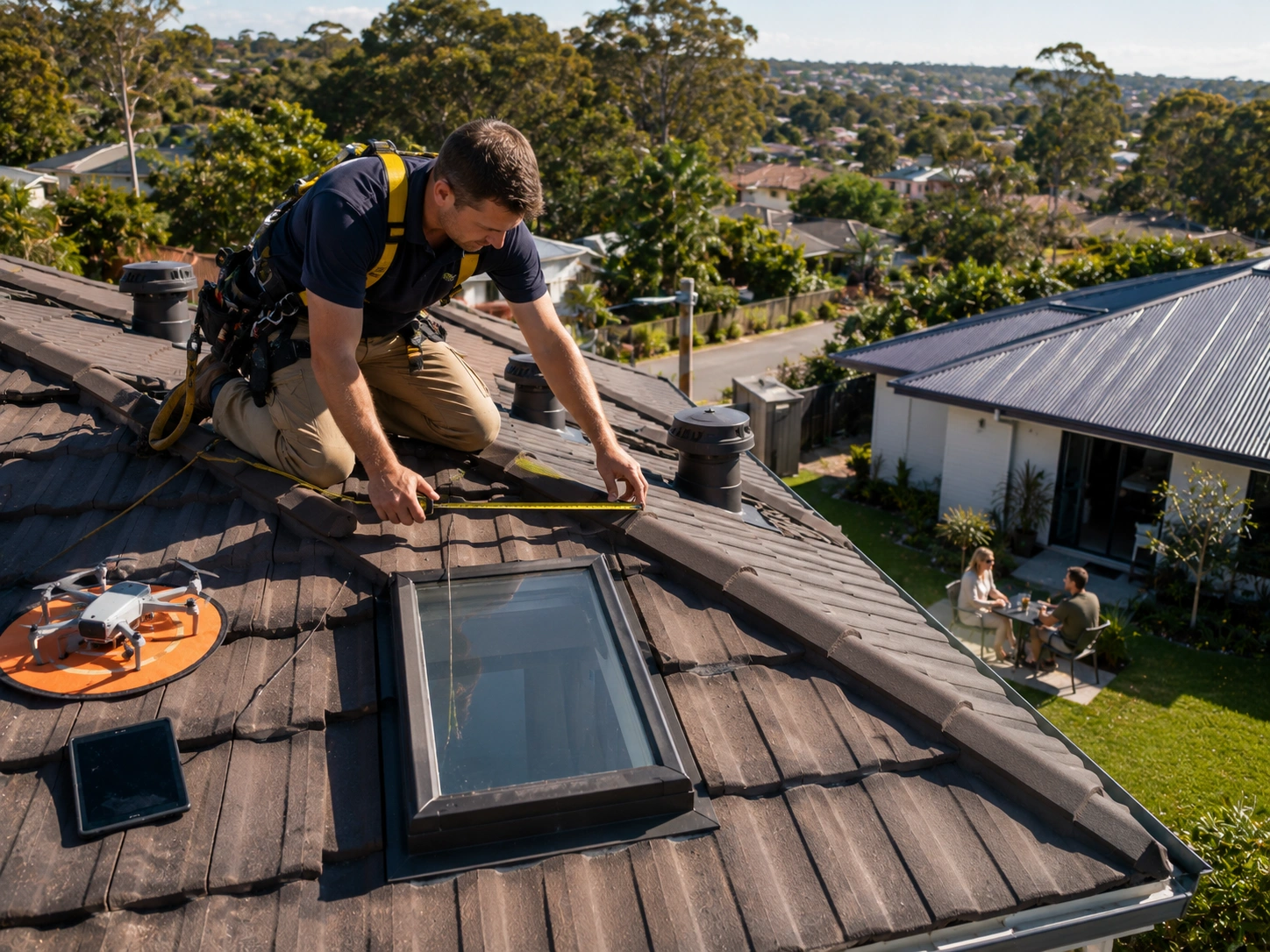
Before any installer recommends a system size, they run through a checklist of your roof’s main characteristics. Roof orientation, shading patterns, and structural condition are the first three things on that list.
That tariff and usage review determines whether a 6.6kW or larger system gives you the best payback period. After quoting hundreds of native homes, we’ve found that structural condition is the detail most homeowners forget to ask about.
Let’s see the things a Clean Energy Council-accredited installer checks before giving you an accurate estimate:
- Roof orientation and available roof space
- Shading from trees, neighbouring structures, or rooftop obstructions
- Structural condition and weight load capacity
- Electricity tariffs and daily electricity use
- Inverter compatibility and single-phase power supply
- Small-scale technology certificates eligibility and solar retailer accreditation
Only a thorough site assessment can provide an accurate estimate for your home. A solar expert will evaluate every factor before recommending a system. Battery systems also give you more control over future electricity costs, especially as price rises continue across Queensland.
Ready to Make Your Roof Work Harder?
Most native roofs are large enough for a solid rooftop solar system. But layout, orientation, and panel choice are just as important as size. Those three things are what separate a system that performs from one that underdelivers.
That’s why a Clean Energy Council-accredited installer will check your orientation, shading, and electricity tariffs before recommending anything. That’s the only way to get an accurate picture of your payback period and energy independence potential.
If you’re ready to find out what your roof can support, My Solar Power Brisbane offers no-obligation roof assessments for local homeowners. Get in touch today, and we’ll match you with the right system size and solar and battery setup for your home.